Cobalt Mining Investment Guide: Ethical Exposure to DRC Strategic Minerals
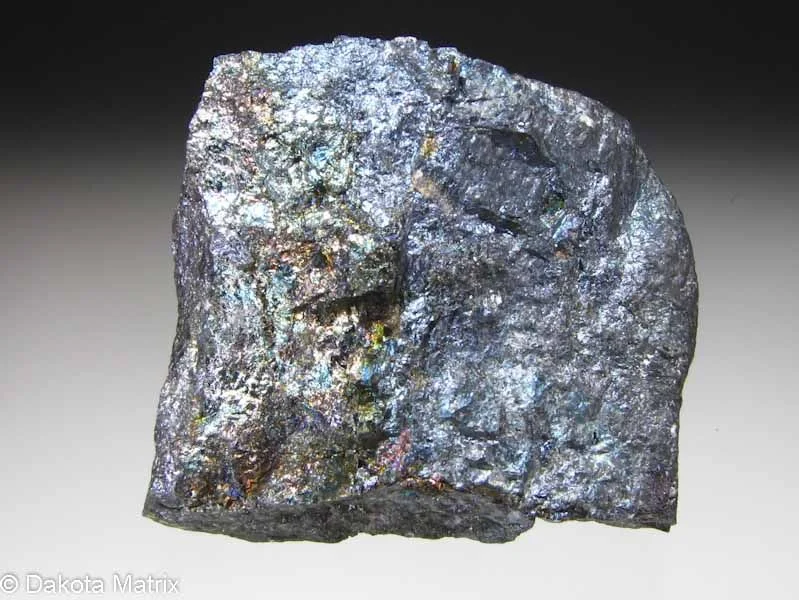
Cobalt mining sits at the centre of the global energy transition, and roughly three quarters of the world supply comes from the Democratic Republic of the Congo. This guide explains how cobalt mining investment actually works in the DRC: where the verified opportunities are, how responsible sourcing standards now shape bankability, and what an investor should check before committing capital to a cobalt asset.
Why Cobalt Mining Still Matters in 2026
Cobalt remains a core cathode input for high-energy-density lithium-ion batteries used in electric vehicles, grid storage, aerospace and defence. Even as chemistries such as LFP reduce cobalt intensity per cell, absolute demand continues to grow because total battery volumes grow faster than cobalt is designed out. For investors, that means cobalt is no longer a pure commodity price bet — it is a supply-security and compliance bet, and the DRC is the only jurisdiction that can move the global balance.
The DRC Cobalt Landscape: Copperbelt to Artisanal Supply
Most DRC cobalt is produced as a by-product of copper across the Katanga Copperbelt, concentrated around Kolwezi, Likasi and Lubumbashi. A second, smaller but strategically sensitive stream comes from artisanal and small-scale mining (ASM). Industrial by-product cobalt gives investors scale and predictable offtake; ASM-linked supply carries far higher human-rights and traceability risk. Understanding which stream an asset touches is the single most important structural question in cobalt mining investment.
Investment Routes: Equity, Offtake, Processing and Royalty
There are four practical entry points. Direct equity in a licensed mining company gives maximum upside and maximum operational risk. Offtake and prepayment structures give exposure to volume without owning the mine. Midstream processing — hydrometallurgical refining, hydroxide production and local beneficiation — is where DRC policy is actively pushing value creation and where incentives are strongest. Royalty and streaming structures give lower-volatility, cash-flow-linked exposure and are increasingly used by international funds entering the DRC for the first time.
Responsible Sourcing Is Now a Financing Condition
OECD Due Diligence Guidance, the EU Battery Regulation, the US conflict-minerals regime and buyer-side standards such as the Responsible Minerals Initiative have moved responsible sourcing from reputational nicety to financing condition. Automakers and cell manufacturers increasingly require chain-of-custody evidence, child-labour remediation programmes, site audits and traceability data before signing offtake. An asset that cannot document its chain of custody is effectively unfinanceable at institutional scale, whatever its grade.
Regulatory and Fiscal Framework to Understand
Key items include the 2018 Mining Code and its royalty regime for strategic minerals, ARECOMS oversight of cobalt export volumes and quotas, export declaration and customs procedures, the local processing agenda, and the 2026 rules on worker and local participation. Quota policy in particular has repeatedly moved the market, so any model should stress-test export volumes rather than assume unrestricted sales.
A Practical Cobalt Due Diligence Checklist
Before committing capital, verify: mining and exploration licence validity and encumbrances; beneficial ownership and sanctions exposure of every counterparty; resource and reserve statements against an accepted reporting code; metallurgical test work and recovery assumptions; export quota allocation and customs compliance history; tax and royalty standing; environmental permits and tailings management; community agreements and cahier des charges obligations; ASM interaction and child-labour controls; power and water availability; and the transport route, whether via Durban, Dar es Salaam or the Lobito Corridor.
Pricing, Offtake and Logistics Risk
Cobalt hydroxide typically prices at a payability discount to the standard-grade metal reference, so contract payability terms matter as much as the headline price. Logistics is the other hidden variable: DRC cobalt travels thousands of kilometres to port, and corridor congestion, border delays and haulage costs can consume a meaningful share of margin. The Lobito Corridor build-out is the most important structural improvement in this area and should be reflected in any long-dated model.
How CongoConnect360 Supports Cobalt Investors
CongoConnect360 maintains verified DRC cobalt and copper opportunities, runs structured due diligence on licences, ownership and compliance, and connects qualified investors directly with project owners, processors and government stakeholders. Investors can review live opportunities in the Deal Room, request a full due diligence pack on a specific asset, or speak with our team about structuring an entry into DRC cobalt.
Cobalt mining investment in the DRC offers genuine, world-scale exposure to the energy transition — but only for investors who treat responsible sourcing, licence integrity and export compliance as part of the valuation rather than as an afterthought. Verified assets with documented chain of custody are the ones that attract institutional offtake, and those are the assets worth pursuing.