
Impact of China-Africa Trade Policies on DRC Investments
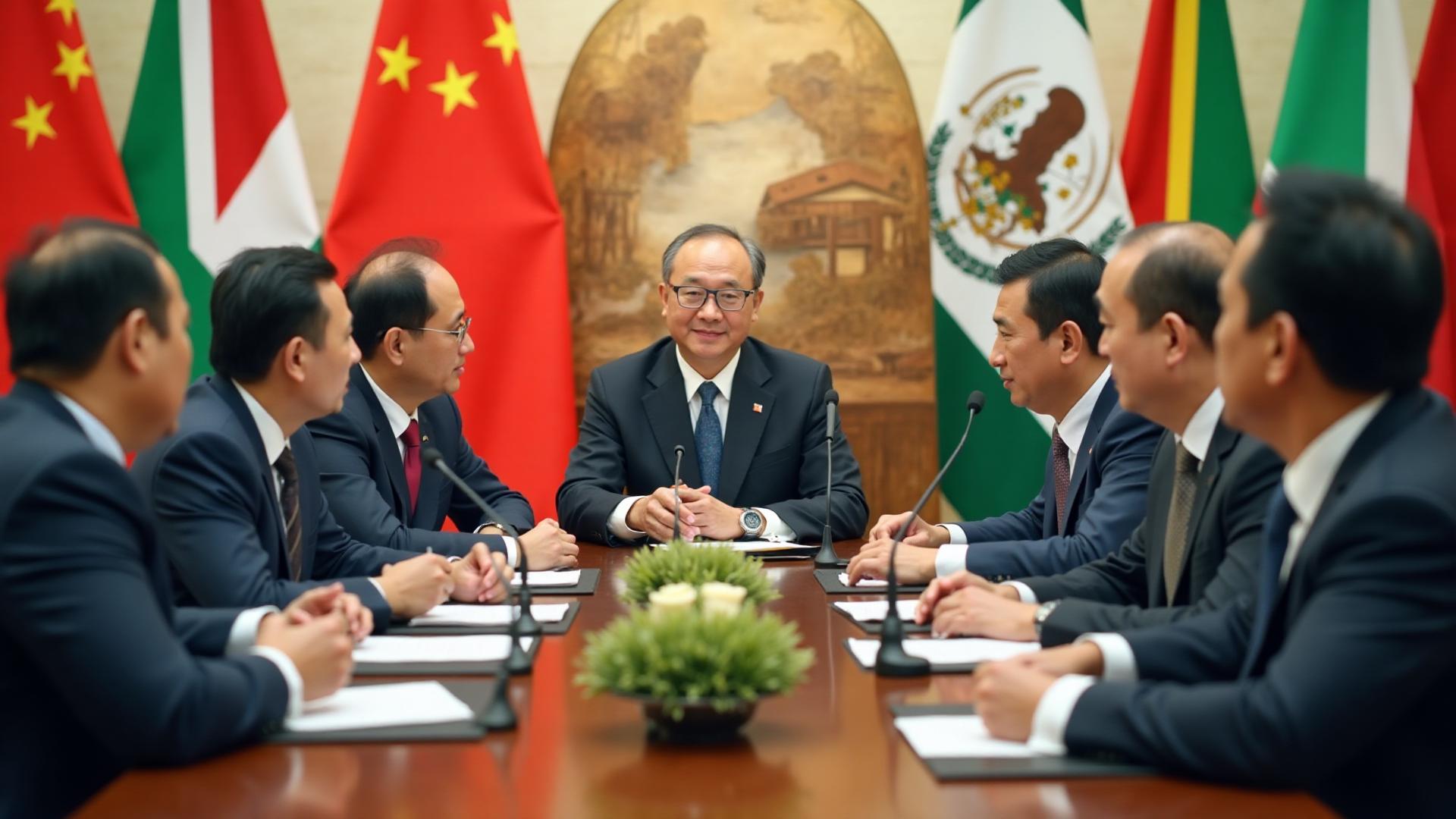
China's economic engagement with Africa, particularly the Democratic Republic of Congo, fundamentally shapes investment dynamics in mining, infrastructure, and development sectors. Understanding evolving trade policies, investment frameworks, and strategic priorities is essential for investors navigating DRC opportunities. This analysis examines current trends, policy implications, and strategic considerations for international investors.
China-DRC Trade Volume and Composition
Bilateral trade between China and DRC reached $12.4 billion in 2024, with China accounting for 45% of DRC's total exports. Mineral exports dominate trade flows, with cobalt, copper, and timber comprising 92% of DRC exports to China valued at $10.8 billion annually. Chinese imports to DRC include machinery, electronics, construction materials, and consumer goods totaling $1.6 billion, creating significant trade imbalances. Major Chinese state-owned enterprises operate 38 mining projects across Katanga and Haut-Katanga provinces, producing approximately 40% of DRC copper and 60% of cobalt output. Resource-backed loans exceeding $6 billion have financed infrastructure projects in exchange for mineral concessions, creating complex interdependencies between Chinese financing and DRC resource access.
Belt and Road Initiative Impact
DRC's participation in China's Belt and Road Initiative (BRI) since 2018 has catalyzed $8.5 billion in infrastructure investments. Key BRI projects include the Kinshasa-Matadi highway ($800 million), Bukavu-Kavumu airport renovation ($46 million), and Kinshasa water supply improvements ($500 million). Chinese construction companies secure 70% of DRC government infrastructure contracts, creating integrated supply chains from financing to execution. Debt sustainability concerns have emerged with DRC's Chinese debt estimated at $3.8 billion or 22% of total external debt, requiring careful management to avoid fiscal constraints. Technology transfer provisions in BRI agreements mandate local content requirements of 30-40% for major projects, building domestic capacity gradually.
Mining Sector Investment Patterns
Chinese companies control or hold major stakes in 15 of DRC's largest mining operations including Tenke Fungurume ($2.65 billion), Sicomines ($6 billion investment), and multiple artisanal mining consolidation projects. Investment structures typically combine equity participation, offtake agreements, and financing packages creating vertically integrated supply chains from mine to Chinese refineries and manufacturers. Operational practices have evolved significantly with improved environmental standards, better worker safety protocols, and enhanced community engagement following international pressure and reputational concerns. Joint ventures with Gécamines, the state mining company, provide Chinese investors access to prime concessions while giving DRC government ownership stakes typically ranging from 20-30%. Technology and equipment supplied by Chinese manufacturers reduces capital costs by 25-35% compared to Western suppliers, improving project economics substantially.
Policy Evolution and Regulatory Changes
China's 2021 Foreign Investment Law emphasizes environmental protection, labor rights, and corporate social responsibility in overseas investments, directly affecting DRC operations. Recent policy shifts prioritize "green mining" practices aligning with global ESG standards, requiring Chinese companies in DRC to implement higher environmental and social standards. DRC government responses include the 2018 Mining Code revision increasing royalties and government ownership requirements, affecting Chinese operators who negotiated contracts under previous terms. Bilateral investment protection agreements provide dispute resolution mechanisms through international arbitration, reducing risks for both Chinese and third-party investors. New regulations require Chinese mining companies to process 50% of copper and 30% of cobalt domestically before export, driving investment in Congolese smelting and refining capacity.
Implications for Western Investors
Western investors face both competitive challenges and partnership opportunities in the Chinese-dominated DRC mining sector. Competition for prime mining concessions intensifies as Chinese companies leverage lower cost structures and integrated financing packages Western competitors struggle to match. Strategic partnerships between Western technology providers and Chinese operators create value through combining Chinese capital efficiency with Western technical expertise and ESG credentials. Equipment and service providers find opportunities supplying both Chinese and non-Chinese operations with specialized technology, particularly in automation, environmental monitoring, and processing optimization. Financial institutions can participate through project financing and risk management services, particularly for projects seeking international banking standards and environmental certifications. Joint ventures combining Western markets access, technology, and Chinese financing create competitive advantages in both project development and downstream marketing.
Strategic Considerations for Future Investment
Investors must navigate evolving China-Africa relations carefully, understanding both opportunities and constraints created by Chinese engagement. Due diligence should assess potential conflicts between Chinese concessions and proposed investments, particularly regarding mineral rights, infrastructure access, and offtake commitments. Relationships with Chinese state-owned enterprises can provide critical support including infrastructure access, logistics coordination, and market intelligence. Alternative supply chain development reducing Chinese processing dependence becomes strategic priority for minerals like cobalt where 80% of global refining capacity is Chinese-controlled. Monitoring Chinese domestic policy shifts provides early warning of changes affecting DRC operations, as Chinese government directives to state enterprises have immediate operational impacts.
Future Outlook and Diversification Trends
DRC government actively pursues investment diversification reducing dependency on Chinese capital through European, American, and Middle Eastern partnerships. The United States Development Finance Corporation (DFC) and European development finance institutions increasingly counter-balance Chinese financing with alternative capital sources. Critical minerals designations by Western governments elevate strategic importance of DRC resources, driving governmental support for non-Chinese mining development. Infrastructure investments from multiple sources improve overall business environment benefiting all investors regardless of origin. Mineral processing localization requirements create opportunities for diversified smelting and refining investments from multiple countries, reducing historical export of raw ores.
China-Africa trade policies fundamentally shape DRC investment dynamics while creating both challenges and opportunities for international investors. Understanding Chinese strategic priorities, operational practices, and evolving policy frameworks enables informed investment decisions. The future suggests gradual diversification with continued Chinese dominance in specific sectors balanced by growing participation from Western and other Asian investors. Success requires strategic thinking about competitive positioning, partnership possibilities, and long-term supply chain considerations in this geopolitically significant region.